Things to Do in Papua New Guinea in August
August weather, activities, events & insider tips
Shoulder Season · Good Value
August Weather in Papua New Guinea
Long-run averages for August in Port Moresby
86°F (30°C)
High Temp
72°F (22°C)
Low Temp
0.5 inches (13 mm)
Rainfall
78%
Humidity
3
Rainy Days
11
Sunny-Day UV
⚠ Highland temperatures drop sharply after sunset, reaching 10-12°C (50-54°F) at elevations above 1,500 m (4,900 ft). Hypothermia is a real risk for trekkers caught unprepared on exposed ridgelines, on the Kokoda Track's higher sections where wind chill compounds the cold. Pack layers. Expect sudden shifts.
⚠ Malaria is present in lowland areas including Port Moresby, the Sepik basin, and coastal provinces. Prophylaxis medication is essential and should be arranged through a travel medicine consultation at least six weeks before departure. Mosquito activity remains significant even in the dry season. Book early. No exceptions.
⚠ Volcanic activity around Rabaul and Manam Island is ongoing. Tavurvur and nearby vents produce intermittent ash emissions that can affect local air quality and disrupt flights to Rabaul. Check Rabaul Volcanological Observatory advisories before booking travel to East New Britain Province. Monitor daily. Plans change fast.
Is August Right for You?
Weigh the advantages and considerations before booking
Advantages
- + August sits squarely in Papua New Guinea's dry season. Port Moresby records just 0.5 inches (13 mm) of rain across roughly three days the entire month. The Kokoda Track, the Highlands highway system, and unpaved village roads are all at their most passable. River crossings along the Kokoda are at their lowest and least dangerous. The clay trails through the Owen Stanley Range dry firm enough that your boots grip. For a country where a wet trail can turn a four-hour hike into an eight-hour ordeal, that matters enormously.
- + The Mount Hagen Cultural Show, one of the Southern Hemisphere's largest indigenous gatherings, typically falls in mid-August. More than a hundred tribal groups converge on Mount Hagen in the Western Highlands to perform sing-sings in full bilas, their ceremonial regalia of bird-of-paradise plumes, tree-kangaroo fur, kina shells, and pigment-painted faces. There is nothing comparable anywhere else on Earth. August is the month it happens.
- + Underwater visibility around Papua New Guinea's reef systems peaks during the dry months. Kimbe Bay, off the north coast of New Britain, and the coral walls dropping off Milne Bay's eastern tip clear to 30 m (100 ft) or more in August. Water temperatures sit around 27-28°C (81-82°F), warm enough to dive comfortably in a 3 mm wetsuit. The reefs here support over 860 species of reef fish and more coral species than the entire Caribbean. August gives you the clearest window to see them.
- + Humidity drops to its annual low of around 78 percent in August. Port Moresby's average high of 30°C (86°F) is a full two degrees cooler than the sticky January peak. The air feels noticeably lighter than the wet-season months. The Highlands, sitting at 1,500-2,500 m (4,900-8,200 ft), are cooler still, with daytime temperatures around 20-24°C (68-75°F) and chilly nights. For a tropical country, August is about as comfortable as Papua New Guinea gets.
Considerations
- − Papua New Guinea demands more logistical planning than almost any destination on Earth. There is no functioning road network connecting the major cities. You fly between Port Moresby, Lae, Mount Hagen, Goroka, Rabaul, and Madang on small domestic carriers whose schedules shift without much warning. August is peak season. Flights book out weeks ahead, and cancellations ripple through itineraries in ways that are difficult to recover from on the ground. Build buffer days into every transition.
- − Safety in urban areas, Port Moresby and Lae, is a genuine concern that no honest guide can gloss over. Opportunistic crime, carjacking, and tribal-related unrest occur. Travelers who stick to organized tours, reputable lodges, and guided movements through cities manage the risk effectively. This is not a destination where you wander freely after dark or flag down random transport. The rural Highlands and island provinces feel remarkably different, safer and more welcoming. Getting there requires passing through the urban nodes.
- − August is the most expensive month to visit. Accommodation at the handful of proper lodges near the Kokoda Track, in Tari for birdwatching, and around Mount Hagen during the Cultural Show fills months in advance and commands peak-season rates. Domestic flights are pricier than you would expect for the distances involved. Papua New Guinea is not a budget destination in any month. August amplifies that.
Best Activities in August
Top things to do during your visit
Kokoda Track Trekking
The Kokoda Track is a 96 km (60 mile) trail crossing the Owen Stanley Range from Owers Corner near Port Moresby to the village of Kokoda in Oro Province, retracing the route of the brutal 1942 campaign between Australian and Japanese forces. August is the premier month to attempt it. The clay trails that turn to shin-deep mud during the wet season are firm underfoot. The river crossings at Eora Creek and Isurava sit at their lowest levels. The cloud forest canopy along the ridge at 2,190 m (7,185 ft) opens to views that the wet-season mist otherwise swallows entirely. You will still sweat through your shirt within the first hour. The altitude gain over the first two days, climbing from near sea level to the spine of the range, is relentless. The humidity under the rainforest canopy stays high even in the dry season. The smell of the trail is moss, wet bark, and the occasional sharp sweetness of wild orchids clinging to tree trunks. Most treks run eight to eleven days with local porters and guides from the villages along the track, who cook over open fires at camp each night. The memorial at Isurava, inscribed with the words Courage, Endurance, Mateship, Sacrifice, sits on a ridgeline overlooking a valley so quiet you hear the wingbeats of hornbills passing overhead. Book at least three to four months ahead for August departures. Confirm that your operator employs local carriers from the track-side communities, as several villages depend on the trekking economy. See current guided options in the booking section below.
Booking Tip: Book three to four months ahead for August, as licensed operators cap group sizes and the track has limited campsite capacity. Confirm your operator provides full porter support and local village carriers. Require a pre-trek fitness assessment and a detailed gear list. Medical evacuation insurance covering helicopter retrieval from remote terrain is non-negotiable.
Reef Diving and Snorkeling Expeditions
Papua New Guinea crowns the Coral Triangle, the planet's most biodiverse marine region. August brings the year's clearest water. Kimbe Bay, on New Britain's north coast, holds 60 named dive sites. Walls of staghorn and plate coral plunge into deep blue. Barracuda schools patrol here. Reef sharks cruise past. Manta rays glide through. The water runs warm, 27-28°C (81-82°F). August calms the surface. Even outer reef sites open up. Milne Bay, off PNG's eastern tail, specializes in muck diving. Black volcanic sand hides mimic octopus. Flamboyant cuttlefish thrive here. Pygmy seahorses cling to debris. Kimbe's coral walls deliver something unique. Light shifts from turquoise to indigo. Fan corals, dining-table size, bend in currents. The Caribbean cannot match this. Neither can the Red Sea. Snorkelers spot plenty from above. Fusilier schools flash in shallows. Anemones pulse with clownfish. Most diving needs advance booking. Liveaboard vessels dominate access. Remote dive lodges fill the gaps. Walk-in shops do not exist here.
Booking Tip: August berths vanish by April or May. Book early. Verify your operator's PADI or SSI certification. Check for onboard oxygen. Confirm a DAN-compatible emergency plan. Functioning radio or satellite phone is essential. Nitrox varies by vessel. Ask ahead if you use enriched air. Current packages appear below.
Highland Cultural Show Attendance
The Mount Hagen Cultural Show runs mid-August. This is PNG's most extraordinary cultural event. Over a hundred tribal groups converge. They wear full ceremonial bilas. Assembly takes hours. Cassowary feathers tower overhead. Bird-of-paradise plumes catch light. Faces carry geometric patterns. Ochre, charcoal, and white clay create the designs. Pig fat and tree oil make skin glisten. The sound overwhelms. Dozens of sing-sing groups perform together. Kundu drums pound chest-vibrating rhythms. High-pitched dancer calls echo off hills. Eucalyptus dots the slopes. Smoke fills the air. Earth and crushed ginger leaves mix in. Grass flattens under bare feet. Spectators pack tight. This is not tourist theater. Tribes compete here. Months of preparation show. Pride is visible. Arrive before eight. Watch groups assemble. Watch them paint. The preparation rivals the performance. Stand at arm's length. See transformation happen. The Highlands surround the showground. Cool green heights reach 1,600 m (5,250 ft). Stay several days.
Booking Tip: Mount Hagen rooms sell out months early. Book lodging by May. Book internal flights by May. Use registered tour operators. They provide ground transport. They provide local guides. Solo Highlands travel is impractical for newcomers. The showground packs tight by midday. Commit to dawn. Plan for the full day.
Rabaul Volcano and World War II History Tours
Rabaul sits inside an active volcanic caldera. The town lies between two volcanoes. Tavurvur and Vulcan both erupted in 1994. Ash buried everything. August brings dry-season clarity. Steam still vents from Tavurvur's cone. Blue skies frame the view. Ground stays warm from below. Sulfur tinges the air. You adjust within an hour. The old town rises from ash. Japanese occupation relics remain. Tunnel networks bore through volcanic rock. A barge tunnel still holds a landing craft. Admiral Yamamoto's bunker stands nearby. The war tunnels feel dark and close. Humidity clings inside. Concrete walls sweat moisture. Dry season brings no relief. Claustrophobia becomes real here. Above ground, the Kokopo War Museum waits. Rusted ordnance fills cases. Uniforms hang preserved. Photographs document everything. Local historians work with care. Simpson Harbour floods the caldera. Snorkel over coral-encrusted wreckage. Hull plates show through clear water.
Booking Tip: Kokopo, the post-1994 replacement town, runs day tours. One circuit covers volcanoes and WWII sites. Book two weeks ahead. August strains guide availability. Confirm current volcanic advisories. Your guide should carry Rabaul Volcanological Observatory updates. Current tour options appear below.
Birds of Paradise Observation in the Tari Valley
Papua New Guinea hosts 38 of the world's 42 bird of paradise species. August sits squarely within courtship season for several, including the Raggiana and the Blue Bird-of-Paradise. The Tari Valley in the Southern Highlands, perched at roughly 1,700 m (5,577 ft), ranks as the top birdwatching destination. Huli wigmen have tended display trees here for generations. They serve as expert local guides. Mornings in August run cool, around 12-14°C (54-57°F) before sunrise. Mist dampens the air and clings to the moss forest canopy, burning off slowly as sunlight hits the ridgeline. You hear the birds first. Mechanical clicks, whistles, and deep booming calls cascade through the forest. When a male Raggiana finally drops onto his display branch, fanning flank plumes into orange and red against the green canopy, the sight rewards every predawn hour in the cold. Huli guides know which trees are active and when. This knowledge passes through families. Their tracking instincts are extraordinary. Expect muddy trails even in dry season at this altitude. Prepare for leeches in the undergrowth.
Booking Tip: Birdwatching lodges in the Tari Valley carry extremely limited capacity, sometimes fewer than a dozen beds. Book four to six months ahead for August. Confirm your lodge arranges Huli guides with specific knowledge of active display trees. Bring quality binoculars. Pack a long lens if you photograph. Display trees can sit 15-20 m (49-66 ft) up. Pre-dawn starts are non-negotiable. Bring warm layers and a headlamp.
Village Stays and Cultural Immersion in the Sepik River Region
The Sepik River, Papua New Guinea's longest at 1,126 km (700 miles), winds through lowland jungle and swamp forest in the north. It connects hundreds of villages whose artistic traditions, spirit-house carving and mask-making, rank among the most complex in the Pacific. August brings dry season conditions. Water levels drop enough that floodplains recede and villages along the middle Sepik become more accessible by motorized canoe. The river itself stays navigable. The Sepik smells of river mud, woodsmoke, and the green tang of water hyacinth mats drifting downstream. Village stays place you inside a haus tambaran, a men's spirit house. Carved ancestor figures and crocodile totems line walls beneath roofs blackened by decades of cooking fires. The carving tradition here lives on. It is not museum-piece. Watching a master carver work rosewood with hand tools, chips curling off in long resinous spirals, connects you to a creative lineage predating European contact by centuries. August evenings on the Sepik run warm and still. The river surface turns glassy enough to reflect last light. Frog and insect choruses build into walls of sound that force raised voices for conversation.
Booking Tip: Sepik village stays require a local cultural guide and advance permission from village leaders. Organize through a licensed operator with established community relationships. Expect basic conditions. Sleep on woven mats. Bathe with bucket-wash. Share meals of sago, fish, and garden greens. Book two to three months ahead. Contributions to host villages are customary. Arrange these through your guide, not offered directly. See current cultural experience options in the booking section below.
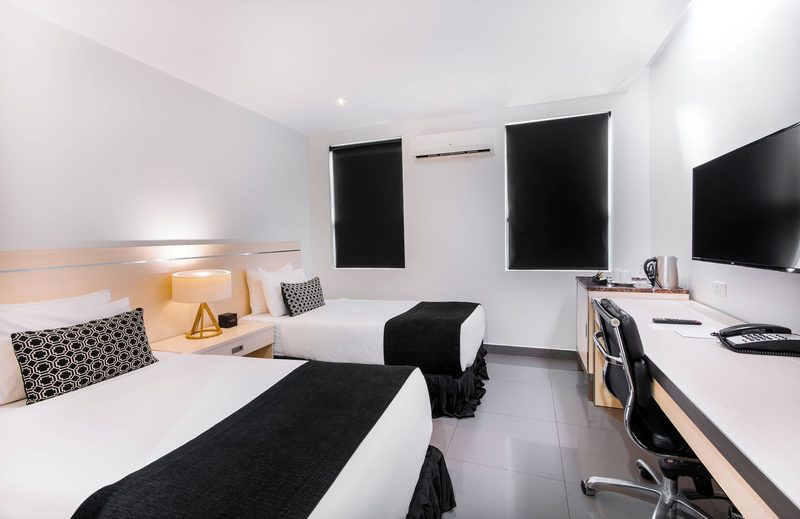
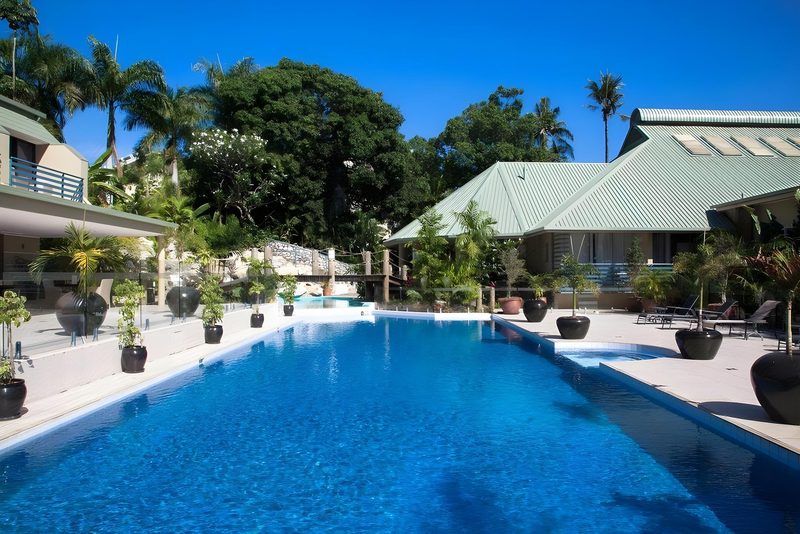
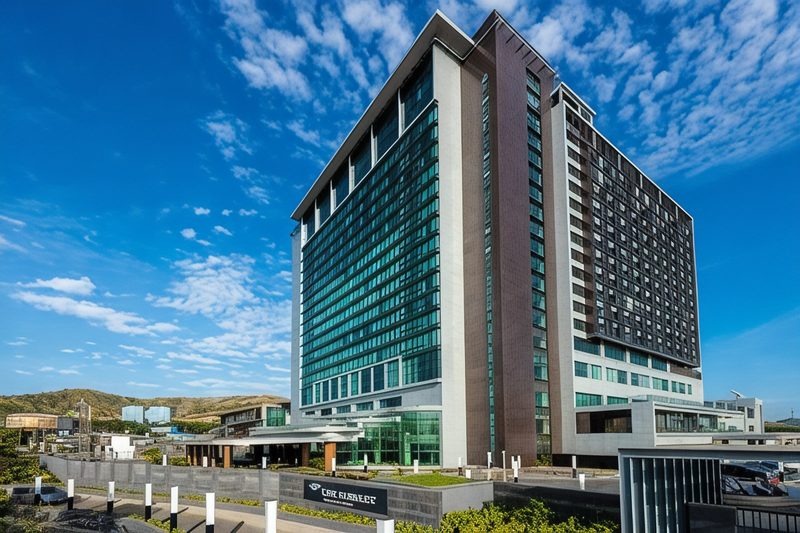
Where to Stay in Papua New Guinea in August
Hand-picked hotels across price tiers for August travellers.
Public Holidays in August
Dates that affect opening hours, transport and crowds
Repentance Day
Observed nationwide as a public holiday.
Repentance Day
Observed nationwide as a public holiday.
Packing Checklist
Bookmark this page — your progress is saved between visits
Need the full list with shopping links?
Climate-specific gear, brand recommendations, and what to leave at home.
View Papua New Guinea Packing List →Essential Tips
Insider knowledge and common pitfalls to avoid
Insider Knowledge
Betel nut, called buai in Tok Pisin, is Papua New Guinea's most ubiquitous social ritual. You will see the red-stained teeth and spit marks everywhere. If someone offers you buai, accepting signals trust and reciprocity, even if you do not chew it. Declining politely is fine. Acknowledging the offer matters. The taste is astringent, chalky, and mildly stimulating, like chewing a green tea leaf dipped in lime powder, which is what accompanies it. Most visitors try it once. That is enough.
Learn a handful of Tok Pisin phrases before you arrive. Tok Pisin is the lingua franca across a country with over 800 distinct languages. Even basic greetings, apinun (good afternoon), tenk yu tru (thank you very much), em nau (that is it), shift interactions from transactional to personal in a way English alone cannot. Highlanders in particular respond warmly to visitors who make the effort. Your guides will respect you for it.
Treat the domestic airline schedule as a loose suggestion. Flights between Port Moresby, Mount Hagen, Goroka, Rabaul, and Madang cancel or reschedule without much notice, and smaller routes often have only one flight per day. Never plan a tight international connection on the same day as a domestic leg. Build at least one buffer day before your departure flight. Carry essentials in your hand luggage in case checked bags arrive on a different flight.
Compensation demands, locally called ples trouble, can arise if a cultural misunderstanding occurs, around photography in rural areas. Always ask before photographing people, during ceremonies, and follow your guide's lead on when cameras are appropriate. At the Mount Hagen Show, photography is generally expected and welcomed. But individual consent still matters for close portraits. Offering a small contribution when invited is standard practice. Your guide will advise on appropriate amounts.
Avoid These Mistakes
Do not underestimate the Kokoda Track. First-timers read ninety-six kilometres and think it sounds manageable, then discover that the track gains and loses over 6,000 m (19,700 ft) of cumulative elevation across jungle ridges in tropical heat. A reasonable fitness base means months of uphill hiking and stair training beforehand, not a gym membership. Porters carry your heavy gear. You still carry yourself. That is enough.
Do not treat Port Moresby as representative of Papua New Guinea. The capital is the arrival point, not the destination. Most travelers who leave disappointed never made it beyond Port Moresby's perimeter. The Highlands, the Sepik, the islands of New Britain and Milne Bay are where the country reveals itself. Plan your itinerary to get out of Port Moresby within a day of arrival. Budget the internal flights to make it happen.
Do not pack for one climate. Papua New Guinea spans from equatorial sea level to mountain passes above 2,000 m (6,560 ft). Port Moresby in August is warm and dry at 30°C (86°F). The Highlands at the same moment can be 15°C (59°F) and dripping with mist at dawn. Travelers who pack only shorts and t-shirts are cold on their first Highland morning. Travelers who pack only for the mountains overheat on the coast. Layer systematically.
Ready to plan your trip to Papua New Guinea?
Now that you've got the research covered, here's where to go next.
Explore More Activities in Papua New Guinea
Didn't see anything interesting yet?
Browse Viator's full catalog of tours, day trips, food experiences, and private guides in Papua New Guinea.
See All Papua New Guinea Tours on Viator