Things to Do in Papua New Guinea in December
December weather, activities, events & insider tips
Low Season · Budget Friendly
December Weather in Papua New Guinea
Long-run averages for December in Port Moresby
90°F (32°C)
High Temp
74°F (23°C)
Low Temp
3.9 inches (99 mm)
Rainfall
83%
Humidity
12
Rainy Days
14
Sunny-Day UV
⚠ Malaria risk intensifies as the wet season begins. Anopheles mosquitoes breed in standing water that accumulates rapidly after December rains. Prophylaxis, bed nets, and repellent are all necessary. This is not a pick-one situation. Medical facilities capable of treating severe malaria are limited. Port Moresby has them. A handful of provincial hospitals do too.
⚠ Afternoon thunderstorms in December produce dangerous lightning. The Highlands above 1,500 metres (4,900 feet) are exposed. So are ridgelines. These storms build quickly after midday. They can last 30 to 90 minutes with intense rainfall. Plan outdoor activities for mornings. Be prepared to shelter by early afternoon.
⚠ The Highlands Highway and secondary roads throughout the country are vulnerable to mudslides and washouts after sustained rain. Landslips can close sections of road for hours or days. No detour is available. Domestic flights are the reliable alternative for inter-regional travel. Carry a buffer day in your itinerary. Weather delays can ground aircraft at provincial airstrips.
⚠ Sea conditions between the main island and offshore destinations can deteriorate during wet-season squalls. Ferry and small-boat crossings that are routine in the dry months may be delayed or cancelled. Confirm conditions with your operator on the morning of travel. Do not assume a fixed schedule will hold.
Is December Right for You?
Weigh the advantages and considerations before booking
Advantages
- + Christmas in Papua New Guinea is an event unto itself. This is an overwhelmingly Christian nation where Melanesian communities pour weeks of preparation into celebrations that merge singsing (traditional dance and choral performance) with Christian worship. Church choirs in Port Moresby and across the Highlands rehearse for months, and communities gather for multi-day feasts centered on mumu, the earth-oven cooking method that infuses pork, kaukau (sweet potato), and leafy greens with smoke and mineral-rich steam from heated river stones. Faith and indigenous culture interweave here. This is not performance for outsiders. This is the month to witness it.
- + December sits at the wet season's leading edge, not its worst. Port Moresby averages 3.9 inches (99 mm) of rain across roughly 12 days, which is moderate compared to January's 7.6 inches (193 mm) or March's 7.5 inches (190 mm). Most precipitation arrives in intense afternoon bursts lasting 30 to 60 minutes, leaving mornings clear, hot, and usable. The landscape responds almost overnight. The brown hillsides of the dry months flush deep green, waterfalls in the Owen Stanley Range and along the Kokoda corridor run at full volume, and the light after a storm has a clarity that the dry-season haze never manages.
- + Dive sites in Kimbe Bay and Milne Bay remain accessible in December, and warm Coral Sea temperatures around 29°C (84°F) bring increased pelagic activity. Coral spawning events tend to occur in the weeks following the first significant rains, and the nutrient upwelling draws manta rays and schooling barracuda to sites like Fathers Reef and Susan's Reef in Kimbe. Operator availability is better than in the dry-season peak months. You get smaller dive groups. You get more flexibility with itineraries.
- + International visitor numbers are at their lowest in December, which in a country where tourism infrastructure is already thin means you will likely have cultural sites, guesthouses, and dive boats largely to yourself. The Rabaul area, the Sepik River region, and even the war memorials around Port Moresby see a fraction of the visitors they get during the June to September window. Solitude matters more than convenience. This emptiness is the point.
Considerations
- − The full Kokoda Track becomes a serious proposition in December. The 96 km (60-mile) trail across the Owen Stanley Range turns to deep clay mud after sustained rain, river crossings swell from ankle-deep to chest-high in hours, and the steep sections between Owers Corner and Isurava become treacherous enough that experienced operators either refuse bookings or add extra days to the itinerary. December is the wrong month. If the Kokoda Trek is your primary reason for visiting Papua New Guinea, wait. June through September is the window.
- − Mosquitoes breed aggressively once the rains begin, and malaria remains a genuine risk across most of the country, including urban Port Moresby. Prophylaxis is non-negotiable. This is not a suggestion. Even with medication, you will need DEET-based repellent and long clothing at dawn and dusk. The wet heat makes long sleeves uncomfortable. That is when travelers get complacent. That is when they get bitten.
- − Infrastructure that already requires patience in the dry season degrades further in December. The Highlands Highway, the only road connecting the coastal lowlands to Goroka and Mount Hagen, is prone to mudslides and washouts after heavy rain. Domestic flights with Air Niugini and PNG Air are the reliable alternative. But schedules shift without much notice, and provincial airstrips can close temporarily when storms roll through. Build buffer days. Build them into any itinerary that involves internal travel.
Best Activities in December
Top things to do during your visit
Kimbe Bay Reef Diving Expeditions
Kimbe Bay, on the north coast of New Britain, holds over 400 species of coral and roughly 900 species of reef fish in a body of water that stays warm and diveable year-round. December's early wet season brings nutrient-rich runoff that draws pelagic species closer to the outer reef walls. At sites like Fathers Reef and Inglis Shoal, the water is warm enough, around 29°C (84°F), that a 3mm shorty is all you need, and the visibility on offshore sites often holds at 20 to 30 metres (65 to 100 feet) even when coastal waters turn milky from river sediment. The real advantage is solitude. Operators who run full boats in August may have only two or three guests, which means longer bottom times and more flexible site selection. Mornings tend to be calm with light winds building through the afternoon, so most operators schedule two morning dives and return before the afternoon thunderheads build over the Willaumez Peninsula.
Booking Tip: Book with PADI or SSI-certified operators at least three to four weeks ahead, as December staffing is reduced at some resorts. Confirm that the operator provides Nitrox (most serious Kimbe operators do) and ask about their weather cancellation policy. Liveaboard options exist but book further in advance. Plan ahead. See current diving tours in the booking section below.
Port Moresby Cultural Village and Heritage Tours
Port Moresby's National Museum and Art Gallery anchors a cultural precinct that introduces you to Papua New Guinea's 800 plus language groups and the material culture that staggering variety produces. December brings something no other month can match. Communities across the capital rehearse singsing for Christmas, and the sound of Highlands kundu drums and coastal garamut slit-drums drifts from community halls and church grounds throughout the city. Day tours loop through the National Parliament Haus, its facade modeled on a Sepik haus tambaran (spirit house), the Bomana War Cemetery, and a village visit in the Hanuabada stilt village over Fairfax Harbour. This gives you a compressed cross-section of the country. The stilt village smells of woodsmoke and salt. Outrigger canoes rest beached under houses while children swim below, a scene that resets your assumptions about capital cities. Mornings are best. By early afternoon the humidity sits heavy enough that even locals retreat indoors, and the 32°C (90°F) heat radiates off tarmac and tin roofs.
Booking Tip: Book through licensed tour operators who provide vehicle transport and a local guide. Do not attempt to navigate Port Moresby independently without local contacts. Reputable operators arrange hotel pickup and manage security logistics. Book at least two weeks ahead. Confirm that the village visit component is included rather than optional. See current tour options in the booking section below.
Rabaul Volcanic Landscape and WWII History Tours
Rabaul sits inside the caldera of a volcano that last erupted in 1994, burying most of the old town under metres of ash. The result is one of the most surreal landscapes in the Pacific. You walk on grey volcanic grit that still radiates warmth, past half-buried buildings whose rooflines peek out of the tephra, while Tavurvur volcano steams on the caldera rim across Simpson Harbour. The Japanese wartime tunnel network, carved into volcanic rock, is cool and damp inside. The temperature drops 10°C (18°F) from the surface heat, and the scale of the underground hospital and supply depot makes the Pacific War feel immediate in a way museum exhibits rarely achieve. December's rains keep the ash damp enough to suppress the dust that plagues dry-season visitors. The harbour water, warm as a bath at 30°C (86°F), invites a swim among submerged Japanese barges visible from the surface. The Rabaul area also produces some of the best cocoa in the Pacific. December is when the pods hang heavy on the trees. Drying racks at local plantations carry the sharp, fermented smell of raw cacao that bears no resemblance to processed chocolate.
Booking Tip: Rabaul-based operators run half-day and full-day tours covering the volcanic sites, the wartime tunnels, and local villages. Fly into Tokua Airport, about 45 minutes from Rabaul town by road, and confirm ground transport with your operator in advance. The road from Tokua can deteriorate after heavy rain. Morning departures are preferable. Book at least two weeks ahead. See current Rabaul tours in the booking section below.
Birds of Paradise Birdwatching Expeditions
Papua New Guinea hosts 38 of the world's 42 recognized species of birds of paradise, and December's early wet season coincides with increased display activity among several species. At Varirata National Park, 42 km (26 miles) east of Port Moresby and about 800 metres (2,625 feet) above sea level, the temperature drops to a more tolerable 26°C (79°F) and the forest canopy drips with moisture from overnight mists. Raggiana birds of paradise, the national emblem, display at traditional lek sites in the park's mid-canopy, fanning their rust-orange plumes in courtship rituals that start at first light, around 5:45 AM. You hear them before you see them. A guttural, sawing call carries through the forest understorey. The trail network is muddy in December but manageable with proper boots, and reduced visitor numbers mean your guide can position you at a lek without competing for sightlines. Further afield, the Tari Valley in the Southern Highlands holds Superb and Blue birds of paradise. But getting there requires a domestic flight and Highland road transport that becomes less predictable in the wet months.
Booking Tip: Specialist birding guides who know the lek locations and calling patterns are essential. This is not a self-guided activity. Book with operators who employ local landowner guides, as access to forest areas requires community permission. Varirata day trips from Port Moresby are the most accessible option and should be booked at least two weeks ahead. For multi-day Highland birding, allow four weeks. Confirm domestic flight schedules. See current options in the booking section below.
Kokoda Memorial and Battlefield Day Tours
The full 96 km (60-mile) Kokoda Track is inadvisable in December. But the memorial sites at the Port Moresby end remain accessible and affecting. Bomana War Cemetery, maintained by the Commonwealth War Graves Commission about 19 km (12 miles) north of the city, holds over 3,800 graves in rows of white headstones set against cropped tropical grass. The silence there, broken only by lorikeets and the occasional distant thunder of afternoon storms building over the Owen Stanley Range, is as powerful as any battlefield tour in the world. The Kokoda Track memorial at Owers Corner, where the trail begins its climb into the mountains, gives you a visceral sense of the gradient and jungle density that Australian and Japanese soldiers faced in 1942. On a December morning, mist clings to the ridgeline and the air smells of wet earth and decomposing leaf litter. Standing at the trailhead knowing what lies ahead along that muddy corridor is a more honest encounter with the history than any museum reconstruction.
Booking Tip: Day tours combining Bomana War Cemetery, the National Museum WWII exhibits, and the Owers Corner trailhead viewpoint run as half-day or full-day itineraries from Port Moresby. Vehicle transport and a knowledgeable guide are essential for context and security. Book at least ten days ahead. Ask your operator whether the guide has personal or family connections to the Kokoda campaign. Many local guides are descendants of the Fuzzy Wuzzy Angels who carried wounded soldiers. This matters. See current options in the booking section below.
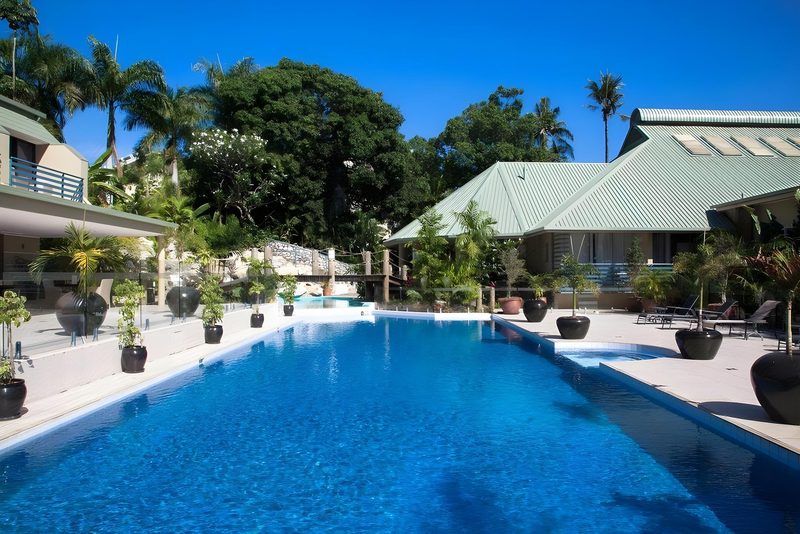
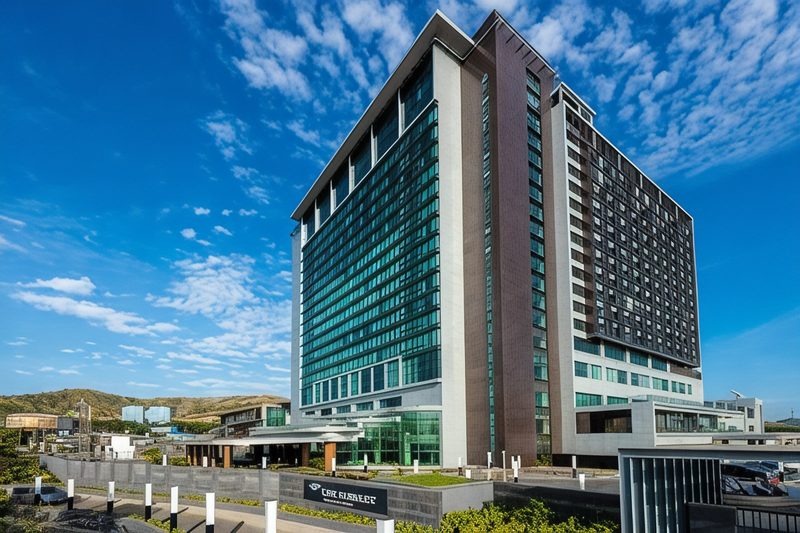
Where to Stay in Papua New Guinea in December
Hand-picked hotels across price tiers for December travellers.
Public Holidays in December
Dates that affect opening hours, transport and crowds
Christmas Day
Observed nationwide as a public holiday.
St. Stephen's Day
Known in English as Boxing Day. Observed nationwide as a public holiday.
Christmas Day
Observed nationwide as a public holiday.
St. Stephen's Day
Known in English as Boxing Day. Observed nationwide as a public holiday.
Christmas Day
Observed nationwide as a public holiday.
St. Stephen's Day
Known in English as Boxing Day. Observed nationwide as a public holiday.
Packing Checklist
Bookmark this page — your progress is saved between visits
Need the full list with shopping links?
Climate-specific gear, brand recommendations, and what to leave at home.
View Papua New Guinea Packing List →Essential Tips
Insider knowledge and common pitfalls to avoid
Insider Knowledge
Safety in Papua New Guinea is the question every prospective visitor fixates on. The honest answer is that it demands respect without requiring paranoia. Port Moresby has genuine security concerns: carjacking, opportunistic theft, and areas that are off-limits after dark. The risk profile changes dramatically when you travel with a reputable local operator who knows the social landscape. The wantok system, the network of mutual obligation that ties people to their language group, means that a local guide is not just a translator but a social passport. When your guide introduces you to a village, you are introduced as their guest. The obligations that come with that are taken seriously. Do not walk alone in Port Moresby after dark. Do not flash expensive equipment in markets. Do not travel to the Highlands or Sepik without a local contact. Within those parameters, the warmth of the people you meet is likely to be the most memorable part of your trip.
Papua New Guinea's food culture revolves around mumu, the earth-oven cooking method, and December's community Christmas preparations offer the best chance to experience it. Get invited to a mumu feast. There is a decent chance you will be. Understand that preparation is communal labor: men heat the stones and dig the pit, women prepare the vegetables and wrappings, and cooking takes three to four hours. Conversation, betel nut chewing, and storytelling fill that time. The pork emerges falling apart, infused with the mineral taste of hot stones and the vegetal sweetness of banana-leaf steam. Kaukau, the purple-fleshed sweet potato that anchors the Highlands diet, turns creamy and caramelized in the pit. Refusing food is a significant social misstep. Eat what you are offered. Compliment the cook. The act of sharing food carries weight here that it has lost in most Western contexts.
Accommodation outside Port Moresby ranges from basic to very basic. The capital has a handful of international-standard hotels with security, air conditioning, and reliable power. Leave the city and guesthouses and lodge-style accommodation become the norm. Expect intermittent electricity, bucket showers, and shared facilities. These are standard, not service failures. Dive lodges in Kimbe Bay and Milne Bay are the exception, offering comfortable, purpose-built rooms because divers expect them and will pay a premium. For everywhere else, bring a travel towel, a sleep sheet, and the willingness to adapt. The hospitality is real. The plumbing often is not.
Learn a few phrases of Tok Pisin before you arrive. English is an official language but Tok Pisin is what people speak day to day. Even basic phrases like 'apinun' (good afternoon), 'tenk yu tru' (thank you very much), and 'kaikai i gutpela' (the food is good) change interactions visibly. People light up when visitors make the effort. At markets, a greeting in Tok Pisin before any transaction shifts you from tourist to guest in one sentence. The language is an English-based creole and more intuitive than it first appears: 'haus sik' is hospital, 'haus lotu' is church, 'ples balus' is airport (, place of the bird). A small phrasebook or a few hours with an online resource before your trip pays disproportionate social returns.
Avoid These Mistakes
Attempting the full Kokoda Track in December without understanding that wet-season conditions transform it from a difficult trek into a dangerous one. The clay trail surface becomes a continuous mud channel. River crossings that are knee-deep in August become chest-deep and fast-flowing. The steep descents between Brigade Hill and Efogi are where most injuries occur on wet ground. Some operators will still take bookings. The best ones will be honest about the risk and suggest alternative months. If you are dead set on the Kokoda experience in December, the day tours to the memorial sites at the Port Moresby end deliver the historical weight without the physical gamble.
Treating Port Moresby like any other Southeast Asian capital and assuming you can wander, hail taxis, and explore neighborhoods independently. Papua New Guinea's security environment requires more structure than that. Pre-arranged transport, a local guide or contact, and awareness of which areas are and are not safe to visit on foot are baseline requirements, not excessive caution. The travelers who have the best experiences in PNG accept this framework early rather than fighting it. This applies equally to the Highlands towns of Goroka and Mount Hagen, where inter-clan tensions can flare without warning.
Packing for a tropical beach holiday when Papua New Guinea demands expedition-grade preparation. This is not Bali or Fiji. Medical facilities outside Port Moresby are extremely limited. Pharmacies may not stock what you need. Evacuation insurance is not a luxury but a necessity. Travelers who arrive without antimalarials, adequate first-aid supplies, water purification, and a confirmed evacuation insurance policy are gambling with consequences that range from miserable to life-threatening. The remoteness that makes Papua New Guinea extraordinary is the same remoteness that punishes under-preparation.
Ready to plan your trip to Papua New Guinea?
Now that you've got the research covered, here's where to go next.
Explore More Activities in Papua New Guinea
Didn't see anything interesting yet?
Browse Viator's full catalog of tours, day trips, food experiences, and private guides in Papua New Guinea.
See All Papua New Guinea Tours on Viator