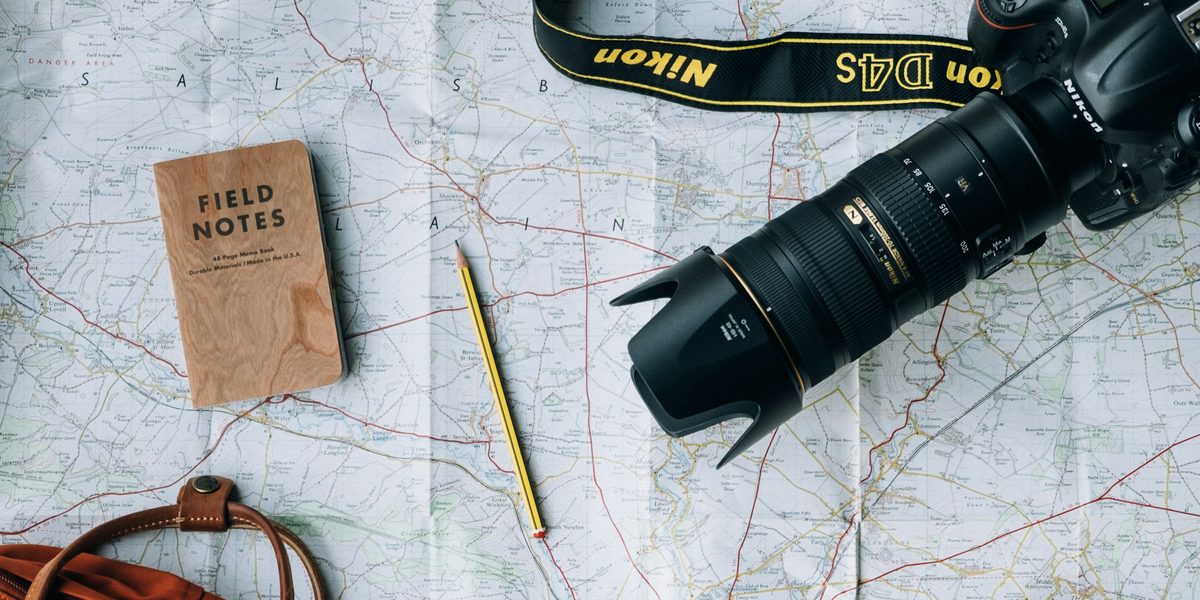
What to Pack for Papua New Guinea
Complete packing checklist tailored to Papua New Guinea's climate and culture
Climate Overview for Papua New Guinea
Papua New Guinea has a temperate climate shaped by its mountainous interior and coastal plains. Expect humid air along the coast and cooler breezes in the Highlands. Sudden rain showers turn paths slick in minutes. The rainforest never sleeps. Insects and birds sing nonstop. Weather shifts quickly here. Pack adaptable layers every time. Lightweight, quick-drying clothing fights the humidity. Bring a warmer layer for Highlands evenings. Rain readiness equals comfort while exploring Papua New Guinea.
Clothing & Footwear
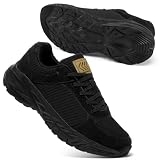
Sturdy, closed-toe shoes are non-negotiable for Papua New Guinea's uneven terrain. Muddy trails appear fast after frequent rain showers. Good grip saves ankles.

The humid climate demands quick-drying, moisture-wicking fabrics in Papua New Guinea. Wash at night, wear by morning. Limited laundry facilities outside major towns make this practical.
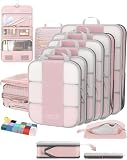
Packing cubes maximize luggage space for long Papua New Guinea journeys. They keep gear organized when you hop between lodges, guesthouses, and villages.

A packable daypack is indispensable for Papua New Guinea day trips. Load it with water, a rain shell, and market finds. No bulk added to your main luggage.
Electronics & Gadgets

Power outlets in Papua New Guinea use Australian-style plugs (Type I). Bring a universal adapter to charge devices in Port Moresby, Goroka, or tiny guesthouses.

Power outages hit Papua New Guinea without warning. A high-capacity power bank keeps phones and cameras alive for navigation and photos in remote areas.

Durable, braided cables survive the rough travel routine in Papua New Guinea. Pack extras. Replacements are scarce outside major centers.
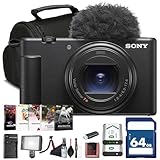
A quality compact camera beats a phone for Papua New Guinea's humid conditions. Capture bird-of-great destination colors, Sepik River carving details, and misty Highlands valleys.

This consolidates charging in hotel rooms with limited outlets in Papua New Guinea. It also shields devices from voltage fluctuations on the national grid.
Toiletries & Health

A basic first aid kit is important for Papua New Guinea. Treat minor cuts, scrapes, or insect bites while hiking rural tracks. Include antiseptic wipes and bandages.

Solid bars prevent leaks during internal flights or boat transfers within Papua New Guinea. They are also greener, matching the leave-no-trace ethic in sensitive ecosystems.

Carry all prescription meds in original labeled containers across Papua New Guinea. An organizer keeps doses on track during multi-stop itineraries.
Mosquitoes thrive in many Papua New Guinea zones. A repellent with DEET or picaridin is non-negotiable for preventing mosquito-borne illness.
Documents & Security
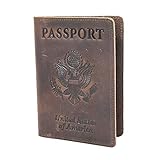
This wallet keeps passport, Papua New Guinea visa, and boarding passes dry and tidy. RFID blocking adds security in busy transit hubs.

Use this pouch to hide the bulk of your cash and a backup credit card in Papua New Guinea. Carry only daily spending money in your regular wallet.

Secure checked luggage on flights to and within Papua New Guinea. These locks also guard backpacks in hostel dorms or guesthouse rooms.
Comfort & Convenience

An eye mask is essential for long international flights to Papua New Guinea. It blocks early light in lodges with thin curtains, easing jet lag recovery.

Earplugs mute engine drone on overnight flights. They quiet generators in remote lodges and the dawn rainforest chorus in Papua New Guinea.
A collapsible bottle saves space when empty. Fill it with purified water at your hotel before daily Papua New Guinea outings. Hydration matters in the humid climate.
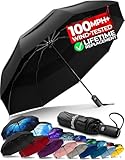
Sudden, heavy downpours define Papua New Guinea weather. A sturdy, compact umbrella gives instant shelter while you wait for transport or explore towns.

A foldable tote hauls market purchases across Papua New Guinea. Load it with fresh fruit or crafts and skip single-use plastic bags.
Outdoor & Hiking Gear
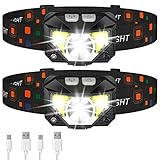
Power cuts hit often in Papua New New Guinea. A headlamp guides you through dark accommodations, village longhouse ceremonies, and pre-dawn trek starts.

A reliable water filter brings peace of mind on multi-day Highlands treks or remote coastal visits in Papua New Guinea. Safe bottled water is not guaranteed.
Seasonal Packing Adjustments
What to add or skip depending on when you visit
Wet Season
December, January, February, March, April
Add: Quick-dry towel, Waterproof bag covers, Extra moisture-absorbing packets for electronics
Shop Wet Season essentials →Expect daily heavy rainfall and higher humidity during this period in Papua New Guinea. Clothes dry slowly. Waterproof your backpack and electronics. Road and flight delays grow more common.
Dry Season
May, June, July, August, September, October, November
Add: Lip balm with SPF, Higher SPF sunscreen
Shop Dry Season essentials →This is prime season for trekking and festivals in Papua New Guinea. Days shine brighter. Yet Highlands nights turn cool fast. Sun protection is critical during daytime activities.
Luggage Recommendation
Choose a lockable, medium backpack or a rugged hybrid with wheels. It will ride boats, small planes, potholed roads. Keep it under carry-on size for domestic flights on tiny aircraft. Light packing wins every time. Pack less. Move faster.
Shop Carry-On Luggage on AmazonPro Packing Tips
Practical advice from experienced travelers
Don't Pack
- Leave expensive jewelry and flashy watches at home. They attract unwanted attention in Papua New Guinea.
- Skip heavy cotton jeans. They stay wet forever and feel sticky in Papua New Guinea's humid climate.
- Do not haul a large supply of bottled water. It is bulky. Bring a collapsible bottle and a purification method for Papua New Guinea instead.
- Avoid voluminous hardcover guidebooks. Download PDFs to a Kindle and save weight for Papua New Guinea travel.
- Formal evening wear is overkill. Dress in Papua New Guinea stays casual and modest, even for most cultural events.
Buy Locally
- Grab a local SIM from Digicel or bmobile. Both desks sit right inside Jackson's International Airport in Port Moresby. Skip the roaming shock. Town stores give even sharper rates on data. Kiosks open early.
- Roadside stalls overflow with papaya, pineapple, bananas. Markets in every town mirror the bounty. Prices are pocket change. Flavor punches far above supermarket fruit back home.
- Buy a bilum bag. Hand-woven string holds kilos without complaint. Each pattern tells a clan story. Port Moresby's craft market stocks hundreds. Practical souvenir.
Packing Hacks
- Roll clothes instead of folding to save space
- Pack shoes in shower caps to protect clothes
- Use packing cubes to stay organized
- Keep essentials in your carry-on
Continue Planning Your Trip
More guides to help you prepare
Ready to plan your trip to Papua New Guinea?
Now that you've got the research covered, here's where to go next.