Things to Do in Papua New Guinea in February
February weather, activities, events & insider tips
Low Season · Budget Friendly
February Weather in Papua New Guinea
Long-run averages for February in Port Moresby
88°F (31°C)
High Temp
74°F (23°C)
Low Temp
5.5 inches (140 mm)
Rainfall
81%
Humidity
16
Rainy Days
15
Sunny-Day UV
⚠ Flash flooding occurs in lowland river valleys and coastal areas after heavy rain, along the Sepik and Markham River systems. Avoid camping or sleeping near riverbanks, and heed local advice about rising water levels immediately.
⚠ Malaria transmission peaks during the wet season. February's warm, humid conditions with standing water everywhere produce aggressive mosquito populations from dusk to dawn. Prophylaxis, repellent, and physical barriers like treated bed nets are essential at elevations below 1,800 metres (5,900 feet).
⚠ Domestic flight cancellations due to low cloud over mountain airstrips are frequent in February. The Highlands airstrips at Goroka, Mount Hagen, and Tari are affected. Do not build itineraries with same-day connections that cannot absorb a twenty-four-hour delay.
⚠ Road conditions between towns deteriorate sharply during the wet season. The Highlands Highway and secondary roads can become impassable after sustained rain, stranding vehicles for hours or days. Travel between regions by air whenever possible.
Is February Right for You?
Weigh the advantages and considerations before booking
Advantages
- + The Sepik River runs high and navigable in February, opening access to remote villages and spirit houses along tributary channels that dry-season visitors simply cannot reach. Dugout canoes glide through flooded sago-palm forests that smell of wet bark and woodsmoke. The elevated water level shortens travel times between communities by a noticeable margin. Worth the trip.
- + February sits between the major festival months. Organized tour operators and dive outfits that service Papua New Guinea have genuine availability. Accommodations that require months of advance booking during the Goroka Show or Mount Hagen Show periods are likely to have openings with just a few weeks' notice. You will share dive sites and cultural villages with a handful of travelers rather than busloads. Book now.
- + Coral spawning events tend to peak in the warm wet-season waters around Kimbe Bay and Milne Bay, drawing manta rays and whale sharks to feeding aggregations. Water temperatures hover around 29 to 30 degrees Celsius (84 to 86 degrees Fahrenheit). A thin wetsuit or rash guard is all you need. Marine life activity is noticeably more intense than during the cooler dry months. Perfect conditions.
- + Fruit season is in full swing. Markets in Goroka, Lae, and Mount Hagen overflow with ripe pawpaw, soursop, and the perfumed sweetness of Highlands passion fruit that barely exists outside Papua New Guinea. The mangoes in February have a floral intensity that makes supermarket varieties back home taste like cardboard. Vendors at Koki Market in Port Moresby pile them in head-high stacks that scent the entire waterfront. Eat everything.
Considerations
- − Rain is a daily certainty on roughly half the days in February. Port Moresby's measured average of 5.5 inches (140 mm) is manageable. The northern coast and Highlands receive substantially more. Unpaved roads between towns can turn to thick red mud within hours of a downpour. Domestic flights on smaller airlines cancel or reroute without much warning when cloud cover drops over mountain airstrips. Plan flexibly.
- − Personal safety requires genuine planning in Papua New Guinea, and February is no exception. Port Moresby's settlement areas and certain urban stretches after dark carry real risk of opportunistic crime. Solo walking at night is not advisable in any major town. Organized tours with local guides and prearranged transport eliminate most of this concern. Independent backpacking in the freewheeling Southeast Asian style is not how this country works. Hire guides.
- − The humidity at 81 percent combines with temperatures near 31 degrees Celsius (88 degrees Fahrenheit) to produce a wet, clinging heat that exhausts you faster than the thermometer suggests. Any sustained physical activity, from trekking to market wandering, demands more water and more rest stops than you would need at the same temperature in a drier climate. Expect to change shirts at least once a day. Pack light layers.
Best Activities in February
Top things to do during your visit
Sepik River village and spirit-house expeditions
February's high water transforms the Sepik River into Papua New Guinea's most accessible cultural corridor. The river stretches over 1,100 km (680 miles) through the northern lowlands. It floods its surrounding forests and opens side channels that are impassable during the dry months. You travel by motorized dugout canoe, the diesel throb echoing off walls of sago palm, until the engine cuts and you drift into a village landing where the smell of smoked fish and burning coconut husk hangs in the still air. The haus tambarans, the carved spirit houses that serve as the cultural and ceremonial centers of Sepik communities, are some of the most extraordinary vernacular architecture in the Pacific. Their towering facades, painted in ochre, charcoal, and white clay, depict ancestor spirits and totemic animals in a style that directly influenced European surrealists in the early twentieth century. February's relative quiet means village visits tend to be unhurried and reciprocal rather than performative. You will likely be offered betel nut, the mild stimulant chewed across Papua New Guinea, wrapped in mustard leaf with a dab of slaked lime that turns your saliva bright red. Accept it. The gesture matters more than the taste, which is chalky and faintly peppery. Book through operators who employ guides from the Sepik region itself and who have established relationships with the communities you will visit. Multi-day expeditions with overnight stays in village guesthouses give a far deeper experience than day trips. See current options in the booking section below.
Booking Tip: Book at least four to six weeks ahead for multi-day Sepik trips in February, as the operators who run quality expeditions use small boats with limited passenger capacity. Look for operators based in Wewak or Angoram who employ local Sepik guides and contribute directly to the villages visited. Single-day cultural village experiences closer to Port Moresby are available with shorter lead times through the booking widget below. Start planning.
Wreck and reef diving around Rabaul
Rabaul sits on the rim of a flooded volcanic caldera at the northeastern tip of New Britain. The diving here ranks among the Pacific's most dramatic. February's warm water lets you stay down longer without heavy suits. The harbour floor holds Japanese wartime wrecks, submarines, barges, and at least one downed Zero fighter. All rest in warm, silty water between 15 and 40 metres (50 to 130 feet) deep. February visibility drops to 10 to 15 metres (33 to 50 feet) after heavy rain. This is the trade-off against dry-season clarity of 25 metres plus. The murkier water concentrates fish life around the wrecks in denser schools. Outside the harbour, coral walls drop steeply into blue water. Pelagic species cruise the current lines here. The town sits under the smoking cone of Tavurvur volcano. Tavurvur buried half of old Rabaul under ash in 1994. Walk the ash-covered ruins after a dive. Sulfur drifts down from the crater. The ground still radiates heat through your sandals. This experience exists nowhere else. February brings low visitor numbers. Dive boats often carry just two or three divers. This is as close to private guiding as you will get without chartering.
Booking Tip: Rabaul dive operators require proof of certification. They also want a minimum number of logged dives for wreck penetrations. Book two to three weeks ahead for February. Confirm your operator carries proper insurance. Check that equipment meets international standards. The Rabaul Highlights Tour in the booking widget below covers historical and volcanic sites on land. It pairs well with a diving itinerary.
Highlands cultural immersion around Goroka and Mount Hagen
The Papua New Guinea Highlands sit between 1,500 and 2,800 metres (4,900 to 9,200 feet). February temperatures drop to a pleasant 20 to 25 degrees Celsius (68 to 77 degrees Fahrenheit) during the day. This is welcome relief from coastal heat. The Highlands hold hundreds of distinct language groups. Each has its own face-painting traditions. Each has its own bilum-weaving styles. Each has its own ceremonial practices. February falls outside the big show months. Any sing-sing performances you see will likely be smaller, community-scale events. This is arguably better. In Goroka, the morning market fills a muddy, large compound. You will smell freshly dug kaukau (sweet potato). You will smell dark-green highlands greens. You will smell betel nut roasting over small fires. Vendors sit behind their produce on woven mats. Conversations mix Tok Pisin with at least half a dozen local languages. The surrounding countryside offers spectacular walking. Green valleys frame cloud-wrapped ridgelines. Walk when the rain holds off. Mornings stay clearer than afternoons. Start hikes early. The coffee grown around Goroka in the Eastern Highlands is some of the best single-origin arabica in the world. February is a good time to visit smallholder gardens. Cherries dry on raised beds. The processing smell, fruity and faintly fermented, saturates the cool air.
Booking Tip: Highlands visits need domestic flights from Port Moresby. Book as far ahead as possible. Schedules are limited. Weather causes cancellations. Arrange ground transport and guides through your accommodation. Use a licensed tour operator. Do this before arrival. Do not rent a car. Do not self-drive in the Highlands. See current cultural experience options in the booking section below.
Kokoda Track guided trekking
February on the Kokoda Track is the hardest month to walk it. The 96-kilometre (60-mile) trail crosses the Owen Stanley Range. It runs between Port Moresby and Kokoda village. Dense montane forest covers the route. In February, the track hits its muddiest. Creek crossings run deepest. Humidity punishes most. Steep sections become near-vertical mud chutes. February also brings the fewest other trekkers. Those who come are serious, fit, and prepared. Walking through cloud forest in driving rain is raw. Your boots sink into ankle-deep mud. It smells of rotting leaf litter and wet clay. Tree kangaroos appear occasionally in the canopy overhead. This is more visceral than the dry-season version. The WWII memorial sites along the route mark where Australian and Japanese forces fought brutal engagements in 1942. These are profoundly moving in any weather. You need a licensed Kokoda operator. They must provide certified local porters and guides. Budget ten to twelve days for the full crossing. Include acclimatization time. This is not a casual walk. Genuine cardiovascular fitness is required. Prior multi-day trekking experience is required. Both matter doubly in February conditions.
Booking Tip: Kokoda Track treks must be booked through licensed operators. These operators register with the Kokoda Track Authority. February departures are less frequent. Book at least eight to ten weeks ahead. Your operator should provide a detailed gear list. They should give a realistic fitness assessment. They need emergency evacuation capability. The premium guided options in the booking section below include experienced Australian-led expeditions. These have strong safety records.
Reef snorkeling and marine wildlife around Madang
Madang sits on Papua New Guinea's north coast. Locals call it the prettiest town in the Pacific. Local boosterism aside, they might be right. The harbour holds small islands ringed by coral reef. In February, water temperature hits 30 degrees Celsius (86 degrees Fahrenheit). Snorkeling in board shorts feels luxurious, not brave. The reefs begin in water shallow enough to stand in. They drop into blue channels where reef sharks, turtles, and dolphins pass. Visibility shifts. Heavy morning rain turns nearshore water milky. By early afternoon, if sun breaks through, clarity hits 15 metres (50 feet). The hard corals in Madang's protected bays rival Southeast Asia's best. The coastline south toward Rai Coast is volcanic drama. Black-sand beaches back up to coconut palms that clatter in afternoon squalls. Boat trips to Kranket Island and Siar Island run regularly. Weather permitting. The snorkeling off their seaward sides beats the harbour reefs for clarity.
Booking Tip: Madang-based trips can be arranged through your accommodation. Give a day or two of notice. February weather cancels trips suddenly. Build flexibility into your plans. Confirm boat operators carry life jackets and radio communication. Current tour options appear in the booking section below.
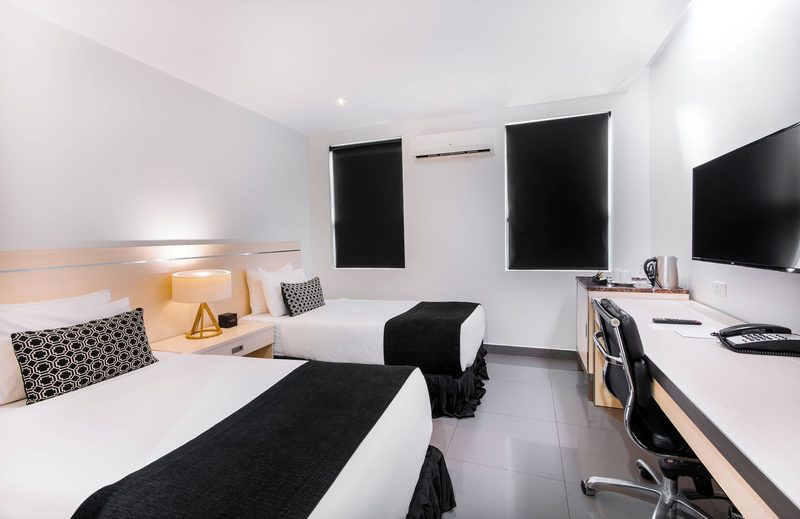
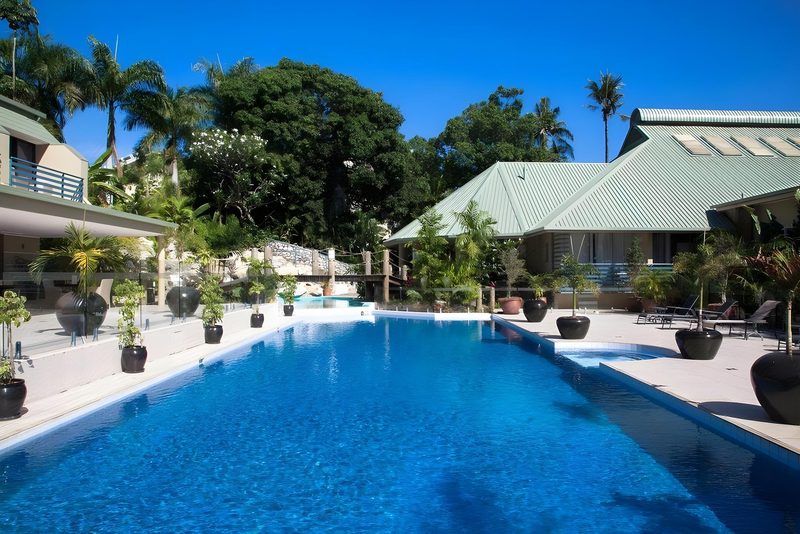
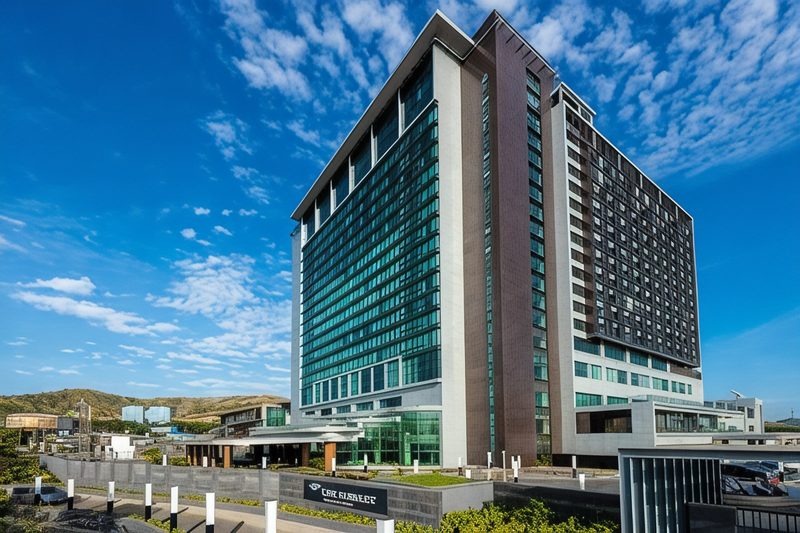
Where to Stay in Papua New Guinea in February
Hand-picked hotels across price tiers for February travellers.
Packing Checklist
Bookmark this page — your progress is saved between visits
Need the full list with shopping links?
Climate-specific gear, brand recommendations, and what to leave at home.
View Papua New Guinea Packing List →Essential Tips
Insider knowledge and common pitfalls to avoid
Insider Knowledge
The betel nut, buai in Tok Pisin, is Papua New Guinea's social currency. Someone offers you green nut wrapped in daka leaf with powite lime. Refusing feels rude. You need not chew enthusiastically. You need not chew long. Accepting and holding it, even briefly, shows respect. Your mouth goes numb. Your saliva turns crimson. Spit discreetly. Locals have done this for thousands of years. They will find your reaction amusing. The friendliest possible way.
Domestic flights are the only practical way between regions. They are your single biggest logistical risk. Airlines fly small turboprops into mountain airstrips. These close when cloud ceiling drops. This happens frequently in February. Build at least one full buffer day into every connection. Never book international departure same day as domestic arrival. Treat flight times as optimistic estimates. Not commitments.
Handle Port Moresby security by following local expat protocol. Prearrange transport for every movement. Do not walk between areas after dark. Stay aware of surroundings by day. This sounds restrictive. In practice, organized tour operators, guesthouses, and dive lodges handle everything smoothly. Outside the cities, in the Highlands or along the Sepik or at dive resorts, safety dynamics shift entirely. Communities tend to be welcoming. curious about visitors.
Carry kina in small denominations and in multiple pockets. ATMs exist in Port Moresby and a few provincial capitals but are frequently out of cash or offline. Credit cards work at major hotels and some dive operators but nowhere else. Plan your cash needs before leaving Port Moresby and carry more than you think you will need. The informal economy runs on coins and small notes, and asking for change from a large bill at a village market creates an awkward situation for the seller.
Avoid These Mistakes
Treating Papua New Guinea like Southeast Asia. This is not a backpacker trail with hostels, reliable public transport, and cheap street food on every corner. Infrastructure is limited, distances are covered by expensive domestic flights or very rough roads, and independent travel without local contacts or guide support ranges from difficult to dangerous. Travelers who arrive expecting Bali-level convenience are the ones who have the worst experiences. Come with a plan, prearranged transport, and realistic expectations about pace and cost.
Attempting the Kokoda Track in February without exceptional fitness and full rain-season gear. Every year, trekkers who trained on flat terrain or gym treadmills underestimate the combination of equatorial heat, extreme humidity, steep gradients, and February mud. The track demands months of specific hill-climbing preparation. If your operator does not ask about your fitness background and trekking history before accepting your booking, find a different operator.
Skipping malaria prophylaxis because the side effects seem annoying. Malaria is endemic, the falciparum strain common in Papua New Guinea can become severe rapidly, and February's wet conditions produce peak mosquito populations. Consult a travel medicine specialist at least six weeks before departure, start your prescribed regimen on schedule, and use repellent and long sleeves religiously from late afternoon onward. This is not optional.
Ready to plan your trip to Papua New Guinea?
Now that you've got the research covered, here's where to go next.
Explore More Activities in Papua New Guinea
Didn't see anything interesting yet?
Browse Viator's full catalog of tours, day trips, food experiences, and private guides in Papua New Guinea.
See All Papua New Guinea Tours on Viator